The First-Visit Mistake: Trying to Follow Everything
First match at a rural club? Follow one position, one phase or the ball’s movement to enjoy the game without learning every rule at once.
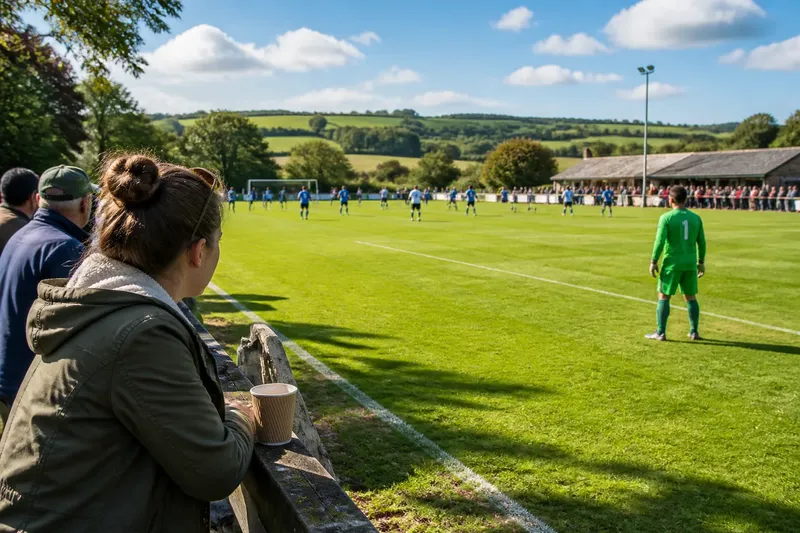
At a rural ground, the whistle goes, players spread across the field and someone beside you calls out a name you don’t know. If you’re wondering how to follow your first match, resist the urge to learn every rule before play moves on. Choose one point of attention and let the rest come into focus gradually.
That choice can be a position, a phase of play or the ball’s route. Each offers a different kind of welcome into the game. You might also switch approaches as the match unfolds; there’s no test at the clubhouse door.
Why does trying to follow everything make a first match harder?
Many field sports combine rules, roles and local customs that regulars absorb over time. A newcomer can end up scanning for the referee’s signal, tracking the ball, deciphering shouted advice and wondering why play has stopped—all at once. It’s easy to miss the enjoyable details while trying to decode every one.
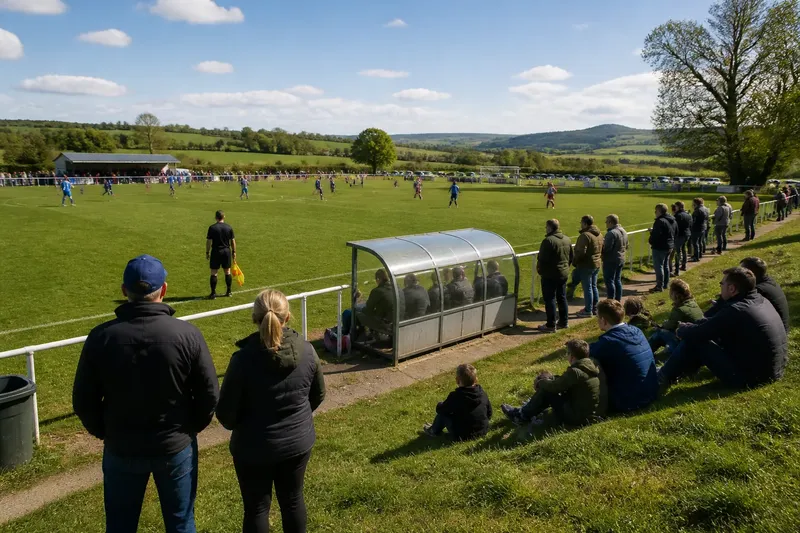
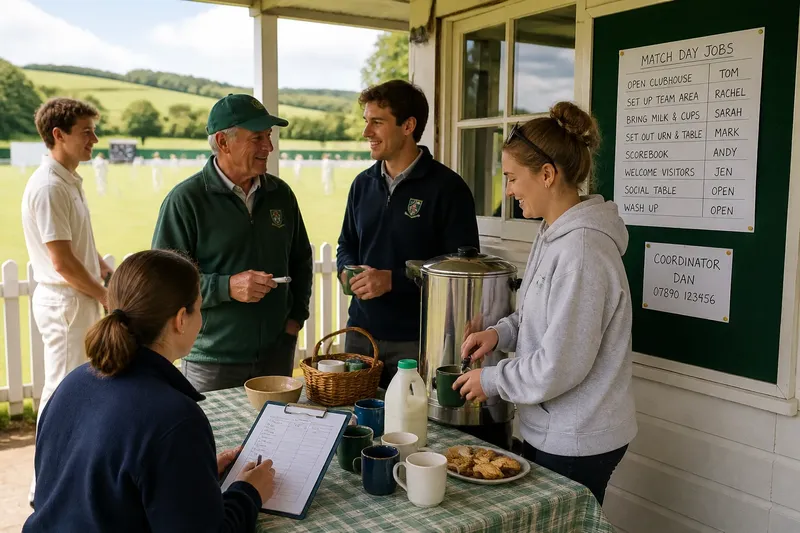
Rural clubs often add their own rhythm: a familiar volunteer may call players by first name, the boundary may sit close to a hedge, and conversation can carry from the touchline to the tea hatch. You don’t need to understand all of it to be part of the afternoon. A narrow focus gives your attention somewhere steady to land.
Which approach should you try first?
Would following one position help?
Choose a role you can see clearly, such as a goalkeeper, a defender or a forward, depending on the sport and where you’re standing. Watch where that player moves when the ball is far away as well as when it arrives; you’ll notice how a position contributes beyond its most dramatic moments.
This suits spectators who like people-watching and want to learn why players occupy different parts of the field. If the player is often hidden behind a crowd or at the far end, switch to another visible role rather than straining to keep up.
Is one phase of play easier to follow?
Focus on a recurring passage, such as a restart, a set play or the transition after possession changes. Ask a regular beside you what signals that the phase has begun, then notice what players do before play moves on.
This approach suits someone who likes patterns and short, repeatable explanations. It can also make pauses less confusing: instead of trying to infer every whistle, you’re learning one familiar sequence at a time.
Could you simply follow the ball?
Tracking the ball—or puck, if that’s what the sport uses—is the most direct option. Notice which direction play is moving and what happens immediately after possession changes. Don’t worry if a quick pass, kick or deflection escapes you; pick up the action again at the next clear moment.
This suits spectators who want an easy starting point and prefer to absorb the atmosphere without concentrating on one player. It can be less revealing in sports where the ball travels quickly or the players’ positioning matters more than its immediate location.
How do you choose an approach at the ground?
Start with what you can see and what interests you. If one player keeps catching your eye, follow that position. If a whistle or restart repeatedly leaves you puzzled, give one phase your attention. If you want to settle in without asking questions, follow the ball and the general direction of play.
Say you arrive at a village football match and can see the goalkeeper clearly but struggle to tell why midfielders are moving around. You could spend the opening stretch watching the goalkeeper’s position as the ball travels upfield, then switch to following the ball after halftime. The expected result isn’t instant mastery; it’s a clearer sense of where to look and a few moments you can recognize when they happen again.
A small, specific question can help. Try, “What should I watch for when play restarts?” or “Why has that player moved wide?” A supporter may offer a concise answer, and you can return your attention to the match. If conversation is flowing, ask; if everyone is absorbed in play, simply watch and save the question for a lull.
- Pick a visible starting point: choose a player or area you can follow without craning around other spectators.
- Keep the question small: ask about one action, call or restart rather than requesting a full rulebook.
- Allow missed moments: resume watching at the next stoppage or clear change in play.
- Change focus when it stops helping: move from a distant position to the ball, or from general play to one recurring phase.
- Use the ground’s pauses: a stoppage, halftime or walk to the tea hatch offers a natural moment to ask someone about what you’ve seen.
What if the rules, calls or local habits are unfamiliar?
You don’t have to solve each uncertainty as it occurs. A referee’s gesture may be hard to see, and the meaning of a local cheer may be obvious to regulars but not to a visitor. Note the moment, keep watching, and ask about it later if it still matters to your understanding.
It’s also fine to enjoy the match without knowing the formal name for every position or phase. Familiarity grows through repeated observation: a player starts to seem predictable, a restart becomes recognizable, or a crowd’s reaction begins to make sense. Those small recognitions are useful in their own right.
Can you change your focus during the match?
Yes. Your first choice is a doorway, not a commitment. Follow one position while play is settled, then watch the ball when the pace quickens. At the next break, compare what you’ve noticed with a companion or club member, if one is available.
There’s no need to report back as if you’ve passed an exam. A simple observation—“I noticed the defender kept covering that space”—can start a conversation, and a regular can fill in what you missed. If you’d rather listen, that works too.
For your first match at a rural club, the most useful way to follow the game is the one that keeps you interested. Choose one position, one phase or the ball’s movement, and let curiosity decide when to shift. You’ll leave with something concrete to look for next time, which is a better start than trying to memorize the whole sport before the final whistle.